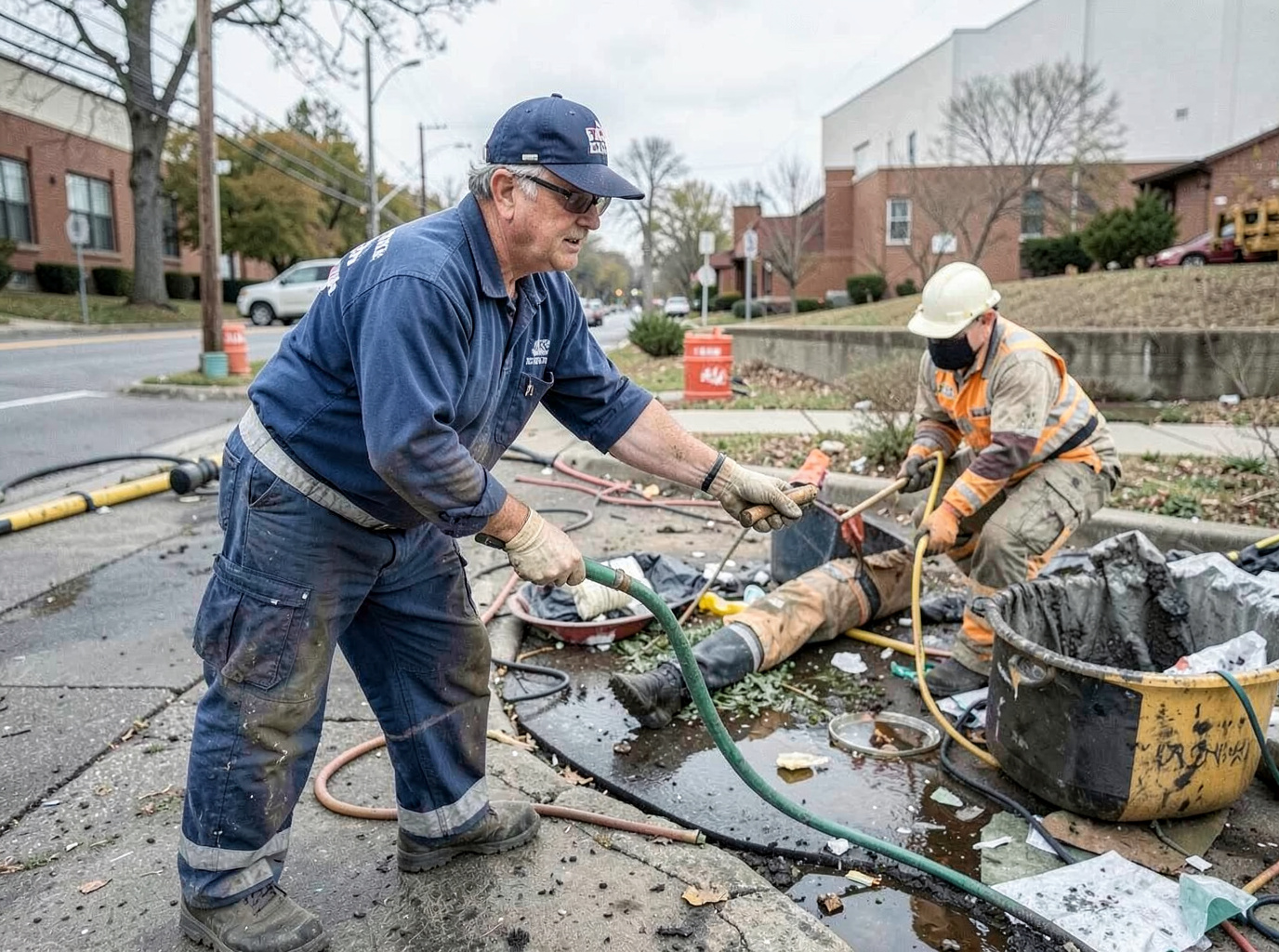
Milton sits between Tacoma and Federal Way along the edge of Pierce County, with many homes built from the 1950s through the 1980s on smaller lots near Surprise Lake and along Milton Way. Wet winters bring steady rain that can overwhelm older gutters and downspouts, sending water into crawl spaces and basements, especially on the slight slopes toward 20th Street East. Our crew at 5111 Burlington Way responds from Tacoma with extraction and drying equipment sized for these compact properties.
Access in Milton often means working around narrow driveways and shared fences common on streets like 23rd Avenue East. We stage equipment on site quickly because the mild marine climate keeps humidity high even after the rain stops, slowing natural drying. Homes near Milton City Park and Milton Elementary School frequently need targeted drying under subfloors where moisture lingers longest.
We handle calls from Milton residents during business hours Monday through Friday 8am to 6pm and Saturday 9am to 2pm, focusing on water damage repair that matches the actual construction we see here rather than generic methods.
Around 13. Milton
We regularly work near:
- 📍Milton City Park
- 📍Surprise Lake
- 📍Milton Elementary School
- 📍20th Street East
- 📍Milton Way
- 📍23rd Avenue East
Water Damage Restoration in 13. Milton — Local Notes
- •Milton's older single-story homes with crawl spaces often trap water from roof leaks or overflowing gutters during prolonged winter rains, requiring thorough under-floor drying before flooring can be replaced.
- •Properties along Milton-Edgewood Road sit on slightly higher ground but still face runoff from adjacent slopes, so extraction focuses on directing water away from foundations rather than just interior removal.
- •Narrow lots near Surprise Lake limit equipment placement, so we use compact dehumidifiers and often work through side yards to reach affected rooms without disturbing neighboring homes.
- •Pierce County wet winters keep ambient moisture elevated, so we run drying longer on Milton jobs than in drier inland neighborhoods to prevent secondary mold growth in wall cavities.