2026-11-10 · Derek Voss
How Heavy Winter Rains Affect Homes Near the Puyallup River in Tacoma
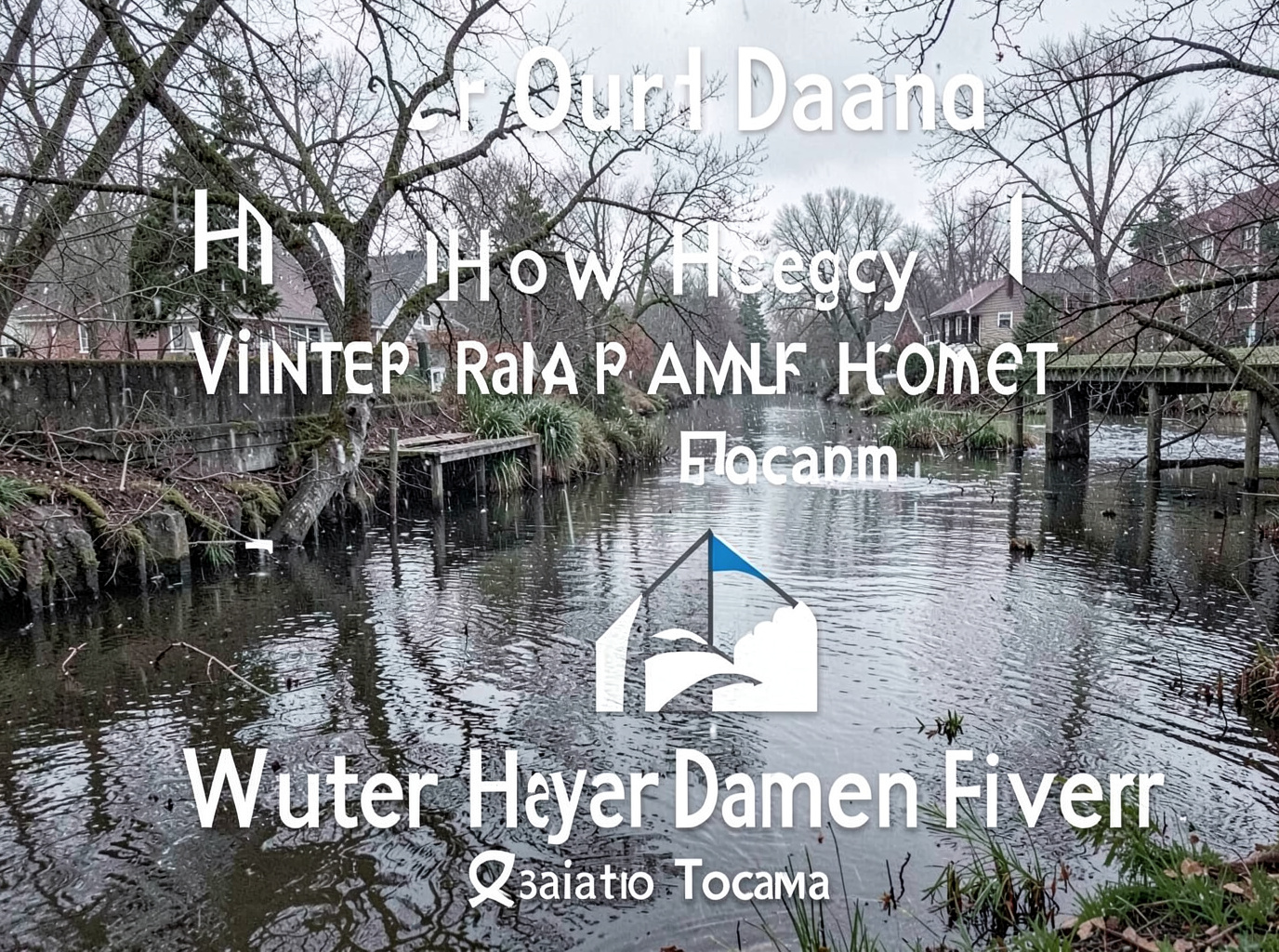
Heavy winter rains in Tacoma's mild marine climate often raise the Puyallup River levels enough to saturate soils around homes in the Eastside and areas near Union Station, leading to foundation seepage and crawlspace moisture within 48 to 72 hours of sustained precipitation.
Soil Saturation Near the Puyallup River
Pierce County winters bring repeated wet spells that keep river-adjacent ground fully charged. Homes in the Eastside and Hilltop sit on older fill and clay-heavy soils that hold water longer than upland sites, so even moderate storms create standing moisture against foundations. This prolonged contact allows water to migrate through hairline cracks in concrete and around older sill plates common in pre-1970 Tacoma stock. Residents in nearby Lakewood and University Place report similar patterns when river flow backs up local drainage. The result is consistent hydrostatic pressure that pushes moisture into basements and under slabs rather than dramatic overbank flooding in most years.
Foundation and Crawlspace Effects
Sustained river-adjacent saturation stresses footings in neighborhoods like the Stadium District and Proctor District. Water pools against stem walls, wicking into porous concrete and creating damp conditions that support mold on subfloor framing within a week. Many Tacoma homes built before modern waterproofing codes lack perimeter drains, so water finds the path of least resistance through expansion joints. Water Damage Restoration crews routinely encounter these exact conditions after multi-day rain events along the river corridor. Checking for efflorescence on foundation walls and musty odors in crawlspaces gives early warning before interior finishes are affected.
Attic and Roof Vulnerabilities
Cool, wet winters increase condensation risk under roofs in homes near the Puyallup River when warm indoor air meets cold roof decks. Ice dams are rare, yet persistent rain can overwhelm older flashing around chimneys and skylights common in Eastside bungalows. Attic insulation then holds moisture against sheathing, leading to rot that shows up months later. The related post What Tacoma Homeowners Should Know About Attic Moisture from Fall Storms details inspection steps that apply directly to winter patterns as well.
When to Call for Water Damage Repair
Once moisture crosses the foundation or enters living spaces, prompt drying prevents secondary damage to hardwood and drywall. Water Damage Repair focuses on removing standing water, drying wall cavities, and addressing hidden saturation before mold colonies establish. Homes in Fife and Puyallup share the same river-influenced water table, so technicians familiar with Pierce County conditions know to monitor for rising groundwater after the river crests. Early intervention limits the scope to affected zones rather than whole-house remediation.
Practical Monitoring Steps for River-Area Homes
- Walk the perimeter after each multi-day rain and note any new puddles within 10 feet of the foundation.
- Check crawlspace vents and insulation for dampness or white mineral deposits.
- Inspect attic spaces for dark spots on sheathing near roof penetrations.
- Document interior humidity levels above 55 percent during wet periods.
These checks help owners near the Tacoma Dome and South End catch issues before they require extensive drying equipment.